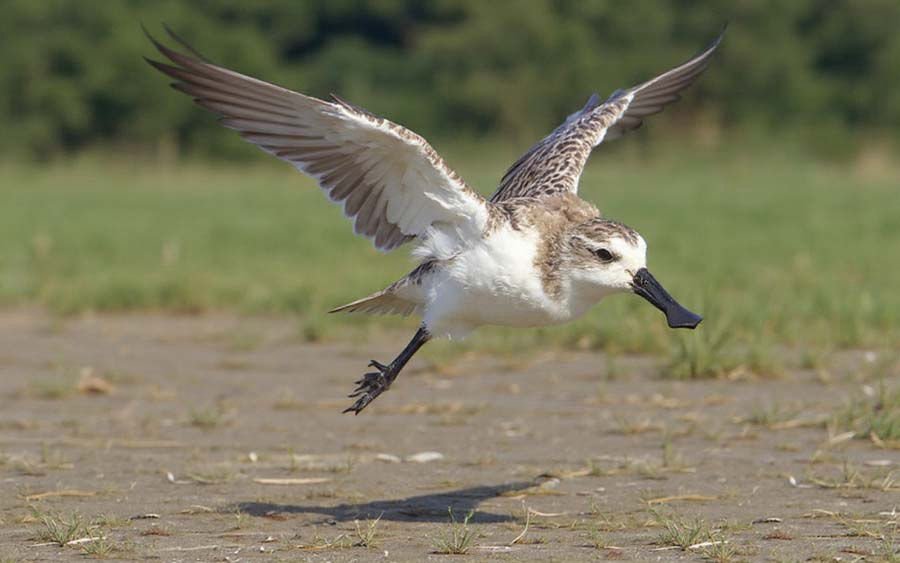
Spoon-billed Sandpiper Thailand:
Central Thailand – Shorebird Spectacle
Birding
Day 1. Birding Pak Thale
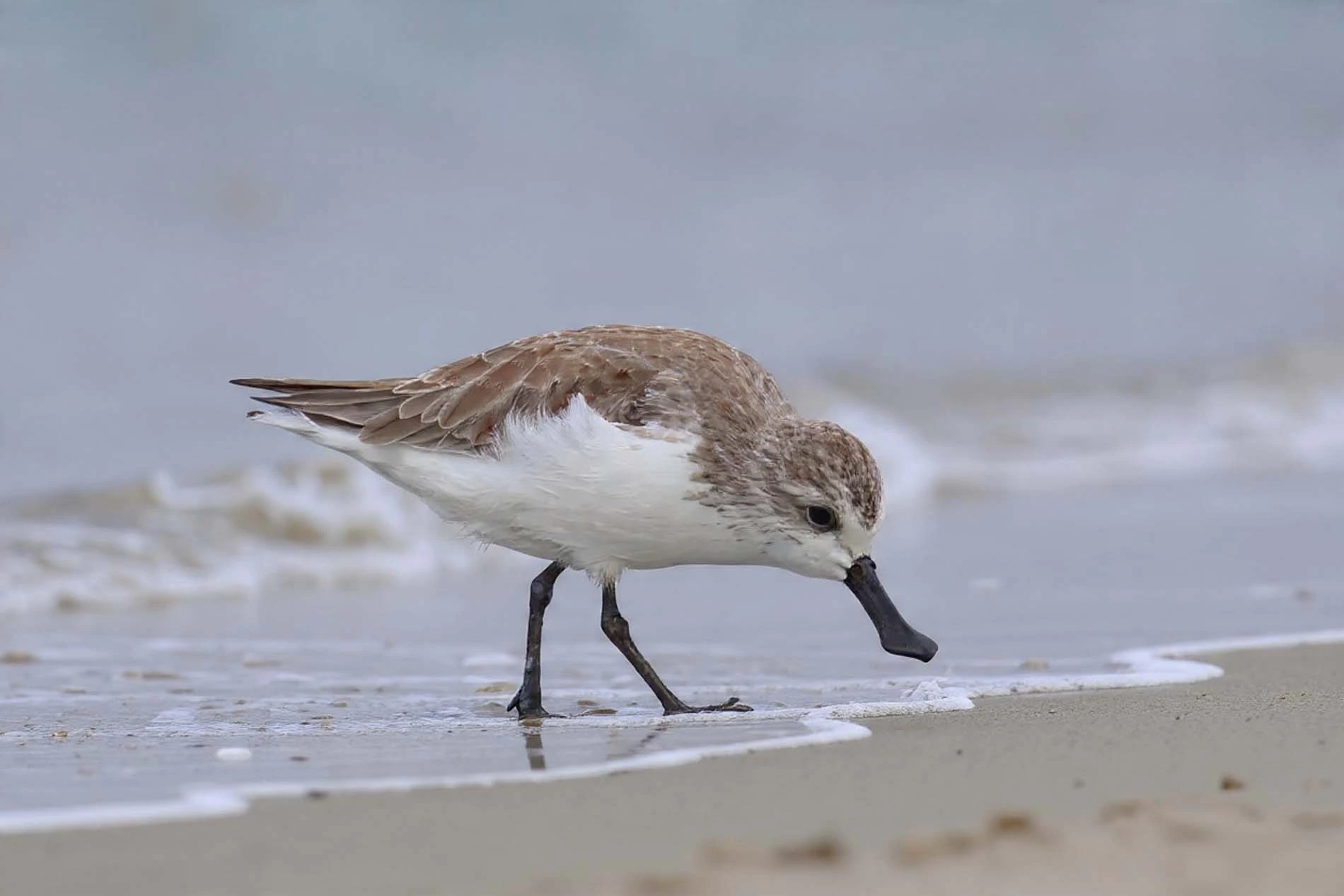
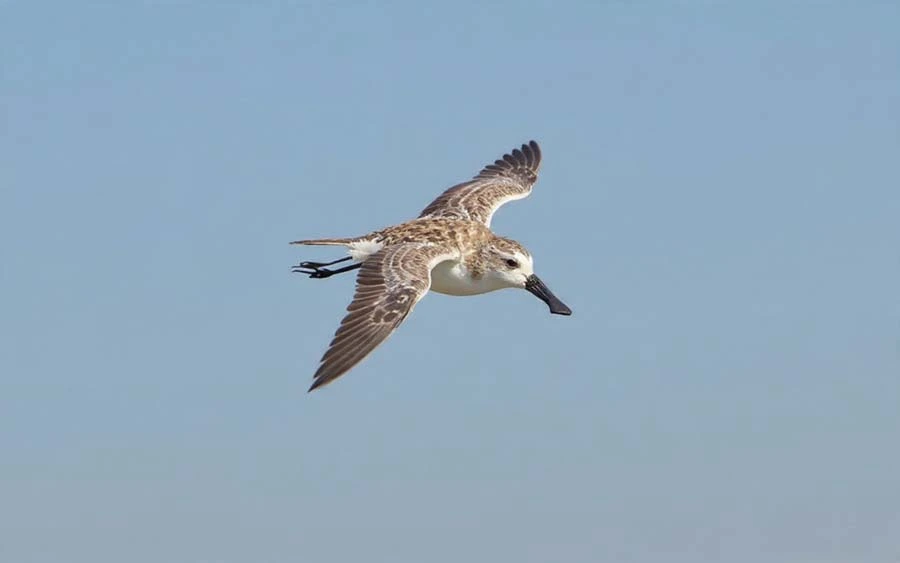
Go straight to the seaside and spend a few days observing birds along the edge of the Bay of Bangkok. In all of Southeast Asia, this is one of the most important places for shorebirds to spend the winter. We will spend the entire day and late morning birding in this gorgeous spot. In addition to searching for thousands of shorebirds, such as flocks of Great Knot, Common Greenshank, Black-tailed Godwit, Eurasian Curlew, Marsh Sandpiper, Curlew Sandpiper, Spotted Redshank, Black-winged Stilt, and Red-necked Stint, we will also search for the incredible Spoon-billed Sandpiper, one of the rarest and Critically Endangered (BirdLife International) shorebird. Other high-value targets include Nordmann's Greenshank, Asian Dowitcher, and Far Eastern Curlew.
Day 2. Birding Khok Kham
Khok Kham, a region of salt pans in Samut Sakorn Province, is one of the greatest spots to watch shorebirds. Many birdwatchers travel to Khok Kham between late October and April in order to observe the "Spoon-billed Sandpiper." Numerous shorebirds, including the Nordmann's Greenshank, Red-necked Phalarope, Spoon-billed Sandpiper, and Sharp-tailed Sandpiper, will be seen.
Day 3. Lam Pak Bia Sandspit
We will spend the full day birding in a few different salt pan and coastline regions close to the Pak Thale and Laem Pak Bia areas, in addition to the diversity of shorebirds listed above. While exploring other environments, we could witness other birds in addition to the Spoon-billed Sandpiper. This area is home to several species, including the Malaysian Plover, White-faced Plover, Kentish Plover, Long-toed Stint, Grey-headed Lapwing, Terek Sandpiper, Red-necked Phalarope, Pied Avocet, Pin-tailed Snipe, Greater Painted-snipe, and many more.
A variety of herons, egrets (including Chinese Egrets), cormorants, storks (including the magnificent Painted Stork), gulls, and terns are just a few of the numerous species we will encounter while we are here. The region is home to numerous raptors, including Mangrove Whistler, Golden-bellied Gerygone, Common, Pied, Collared, and Black-capped Kingfishers, Eurasian Wryneck, Freckle-breasted Woodpecker, Oriental Skylark, White-shouldered Starling, Black-browed Reed Warbler, and Plain-backed Sparrow (there's plenty of food for ravenous Peregrine Falcons).
BOOKING
Dates and Costs
Spaces Available: 10 December 2025 – 28 February 2026
Price: US$3,373 / £3,093 / €3,780 per person sharing – based on 4-8 people
Single Supplement: US$2,430 / £2,323 / €2,435
BOOK THIS TOUR
* Please be aware that currency conversion is subject to some variation because it is calculated in real-time. When completing payments, please go back to the basic pricing.
REQUEST MORE INFO
Price includes:
Accommodation as shown (based on two participants sharing)
Guiding fees
All entrance fees to national parks, nature reserves, bird blinds/hides, etc.
All ground transport while on tour
Toll fees
Email: spoonbilledsandpiperthailand@gmail.com
Contact: whatsapp (+91 9925511091) Only message, no phone calls
Only once we have received a deposit will the booking be confirmed.
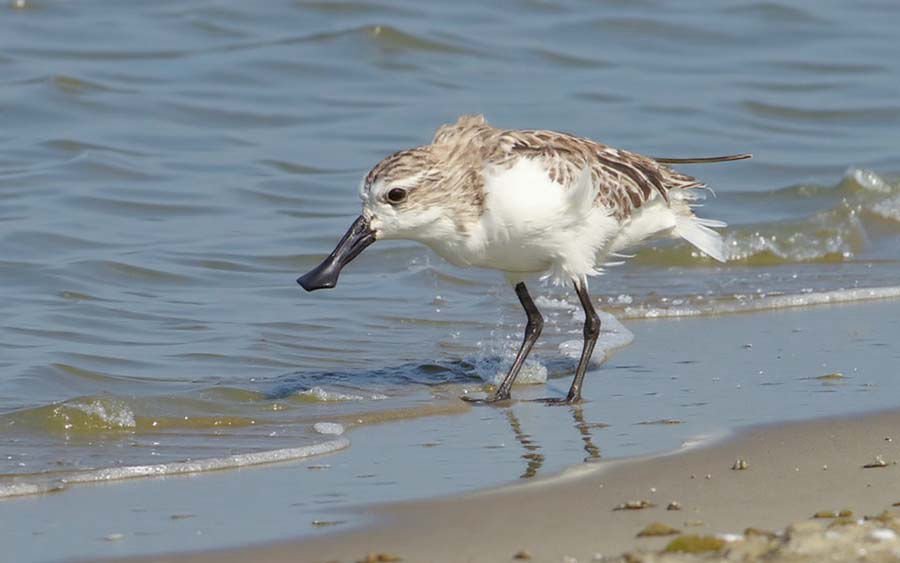
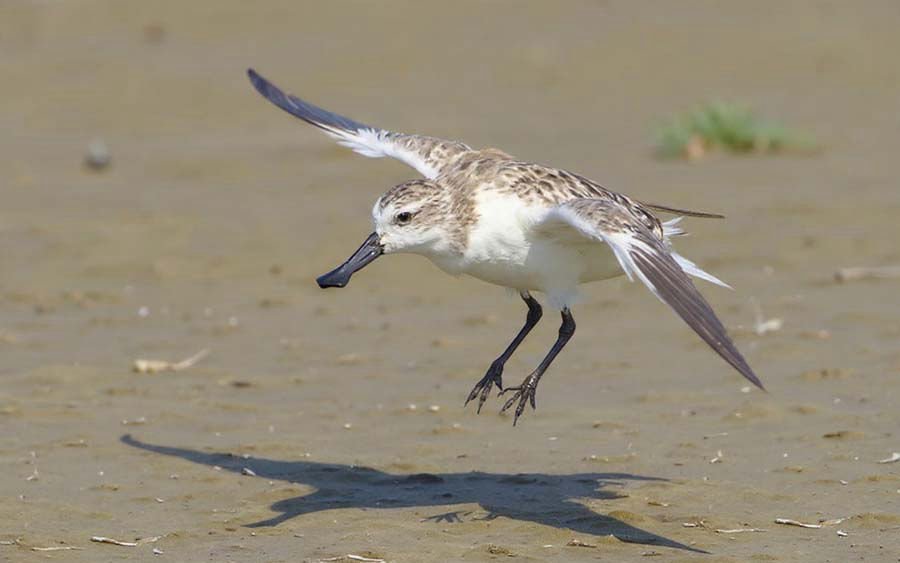
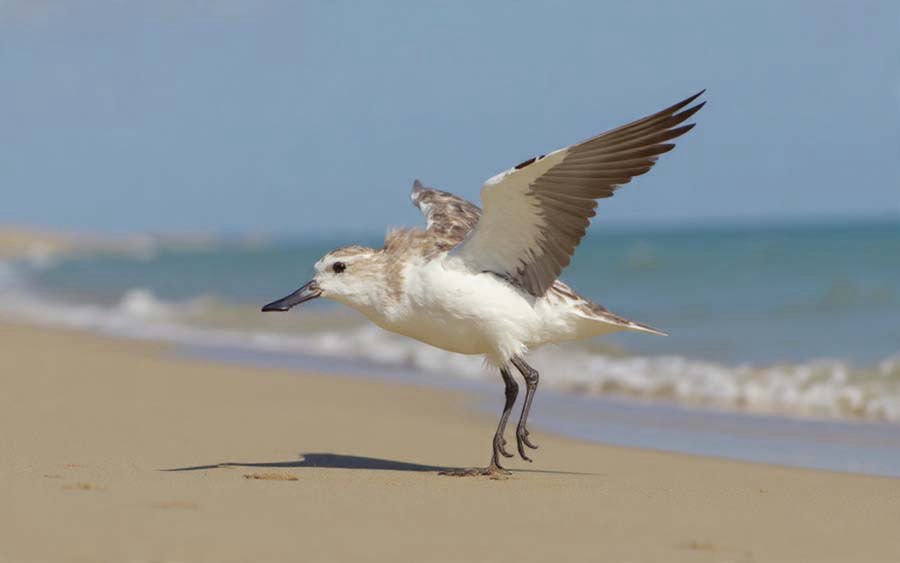
Why Laem Pak Bia/Pak Thale is Ideal for Birdwatching
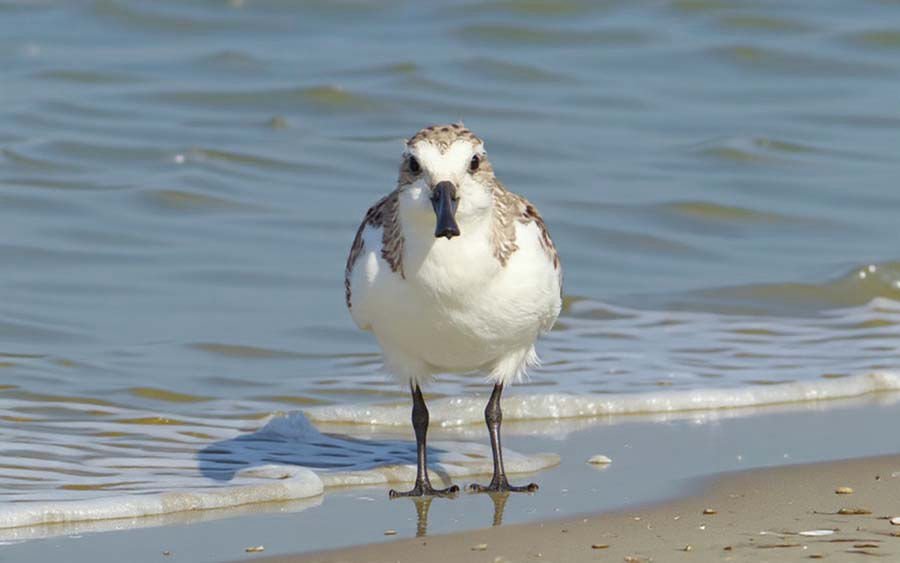
Both novice and expert bird photographers will find nirvana in the area's openness, which permits unhindered views of the birds. However, a telescope or spotting scope is practically necessary for identifying far-off species like the Spoon-billed Sandpiper because of the expansive and exposed terrain.
Laem Pak Bia/Pak Thale is an ideal day trip destination from Bangkok, about **2 to 2.5 hours away. Because Phetchaburi province offers some of Thailand's most rewarding birding experiences, from coastal species to woodland residents, many birders decide to spend a few days there.
Laem Pak Bia/Pak Thale is an ideal day trip destination from Bangkok, about **2 to 2.5 hours away. Because Phetchaburi province offers some of Thailand's most rewarding birding experiences, from coastal species to woodland residents, many birders decide to spend a few days there.
Responsible Birdwatching
It is crucial to keep in mind that a large portion of the land near Laem Pak Bia and Pak Thale is **privately owned**. Visitors are welcome, but they must respect local landowners and refrain from destroying embankments or upsetting birds. Signs specifically warn birdwatchers not to wander on minor dikes or embankments at Pak Thale. Respectful conduct guarantees ongoing collaboration between residents and tourists, protecting this vital location for the Spoon-billed Sandpiper and other species.
The Ideal Time to Go
The Spoon-billed Sandpiper's winter migratory period, which runs from **November to March** , is the best time to view it. The finest light and activity levels for photography and observation are found in the early morning and late afternoon.
Conservation Efforts
International organizations and local conservation groups together to save the delicate habitat of the **Spoon-billed Sandpiper**. Here, ecotourism is crucial since each ethical visit raises awareness and promotes local incomes, both of which aid in the preservation of the ecology.
F A Q
You can see the **Spoon-billed Sandpiper** at Laem Pak Bia and Pak Thale in Phetchaburi Province — Thailand’s most famous shorebird site.
The best time is between **November and March**, when migratory birds, including the **Spoon-billed Sandpiper**, are most active.
Yes, a **telescope or spotting scope** is highly recommended for better viewing of distant shorebirds.
Absolutely. The site is only about **2 to 2.5 hours’ drive from Bangkok**, making it an ideal day trip for bird enthusiasts.
Yes. Please avoid walking on small embankments, stay on designated paths, and always respect local landowners and conservation rules.